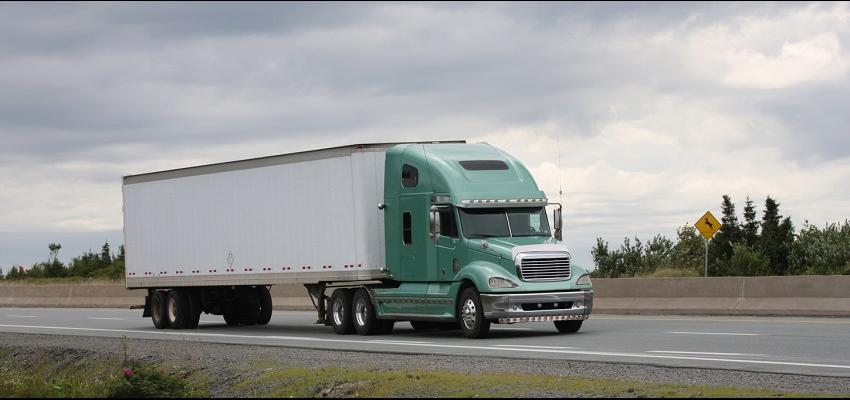
Why I-35 Truck Accidents in San Antonio Are So Dangerous

This Blog was brought to you by the Carabin Shaw Law Firm – Personal Injury Attorneys, Principal Office in San Antonio

I-35 Truck Accidents Through San Antonio: Why This Corridor Is So Dangerous

Interstate 35 (I-35) is a vital transportation corridor stretching from the U.S.-Mexico border in Laredo through San Antonio, Austin, and beyond. It serves as a primary route for international trade and domestic freight, carrying a heavy volume of commercial trucks such as 18-wheelers and big rigs. While essential to Texas’s economy, the heavy truck traffic on I-35 through San Antonio and Bexar County creates significant safety challenges for passenger vehicles sharing the road.

More from our San Antonio Truck – 18 wheeler accident lawyers

Because large trucks can weigh 20 to 30 times more than passenger cars and have unique design features such as greater height and ground clearance, crashes involving 18-wheelers often result in severe or fatal injuries, especially for occupants of smaller vehicles. If you or a loved one has been injured in a truck accident on I-35 in San Antonio, understanding the risks, evidence, and liability issues involved can be critical to protecting your rights.

Our truck accident lawyers in San Antonio explain more here

Why I-35 in San Antonio Is a High-Risk Corridor for Truck Accidents

The section of I-35 running through San Antonio is a complex and busy highway corridor where local commuters, long-haul freight trucks, and commercial vehicles converge. Several factors contribute to the elevated risk of serious truck accidents in this area:

Heavy Commercial Traffic and Congestion

I-35 is a major NAFTA trade route, with a constant flow of freight moving north from the U.S.-Mexico border and south from distribution centers. This high volume of commercial trucks mixes with local traffic, especially during rush hours near key interchanges such as Loop 410, I-10, and US-281. Large trucks require significantly longer stopping distances than passenger vehicles, particularly on wet or slippery roads or if brakes are not properly maintained. Sudden traffic slowdowns or stop-and-go conditions can quickly lead to rear-end collisions or chain-reaction crashes involving trucks.

Complex Interchanges and the Downtown Split

San Antonio’s highway system has complex interchanges where I-35 meets I-10, I-37, and Loop 410. Approaching downtown, I-35 splits into upper and lower levels, requiring drivers to handle multiple lane changes. For truck drivers, these maneuvers can be especially challenging due to large blind spots and limited maneuverability. Passenger vehicles merging or changing lanes near trucks may not anticipate the slower reaction times or restricted movements of fully loaded 18-wheelers, increasing the risk of sideswipe or underride collisions.

Driver Fatigue on Long-Haul Routes

Many truck drivers on I-35 are engaged in long-haul trips across state lines or international freight runs. Truck driver fatigue is a well-documented crash risk in the trucking industry. Although the Federal Motor Carrier Safety Administration (FMCSA) enforces hours-of-service regulations to limit driver fatigue, some drivers may still push beyond safe limits due to tight delivery schedules or pressure from employers. Fatigue can impair reaction times, judgment, and alertness, increasing the likelihood of accidents.

Construction Zones and Changing Traffic Patterns

I-35 frequently undergoes construction and maintenance projects to support San Antonio’s growing population. Construction zones often feature narrowed lanes, reduced speed limits, concrete barriers, and shifting traffic patterns. These conditions can be difficult for large trucks to handle safely. A momentary lapse in attention or misjudgment in a construction zone may result in multi-vehicle pileups or severe collisions.

The Serious Consequences of Truck Accidents on I-35

Due to their massive size and weight, commercial truck crashes on I-35 often cause catastrophic injuries or fatalities. In 2023, the Insurance Institute for Highway Safety (IIHS) reported 4,354 deaths in crashes involving large trucks nationwide, with 65% of those fatalities being occupants of passenger vehicles. The disparity in size and structural protection means that smaller vehicle occupants typically suffer the most severe harm.

Common injuries from 18-wheeler crashes on I-35:

  • Traumatic Brain Injuries (TBI): Severe concussions or permanent brain damage affecting cognitive and physical functions.
  • Spinal Cord Injuries and Paralysis: Partial or complete paralysis requiring lifelong care.
  • Severe Burns and Lacerations: Resulting from fuel tank ruptures or hazardous cargo spills.
  • Internal Organ Damage: Blunt force trauma causing internal bleeding or organ failure.
  • Multiple Bone Fractures: Crushing injuries, especially in underride accidents where a passenger vehicle slides beneath a truck trailer.

The physical, emotional, and financial toll of these injuries can be overwhelming. Victims may face extensive medical bills, lost income, long-term rehabilitation, and diminished quality of life. Families may also endure the devastating loss of loved ones.

Investigating an I-35 Truck Accident: Key Evidence to Preserve

Truck accident claims often require a detailed and timely investigation to uncover the facts and identify liable parties. Trucking companies and their insurers typically respond quickly to accidents to protect their interests, sometimes through efforts to limit or destroy evidence. An experienced attorney can help ensure critical evidence is preserved and analyzed.

The FMCSA regulates many aspects of commercial trucking — vehicle equipment, driver licensing, hours of service, inspections, and maintenance. Violations of these regulations may serve as important evidence of negligence.

Type of Evidence What It Reveals Importance in a Truck Accident Claim
Electronic Logging Devices (ELD) Driver’s hours of service, driving time, and rest breaks Can show if the driver was fatigued or violated federal hours rules
Black Box / ECM Data Vehicle speed, braking, steering, and engine data at crash time Provides objective data on truck and driver actions before collision
Maintenance and Inspection Records History of repairs, brake checks, tire replacements May reveal failure to maintain equipment leading to mechanical failure
Dispatch and Routing Records Communications and delivery schedules Could show pressure to meet unrealistic deadlines affecting safety
Dashcam and Traffic Camera Video Visual record of crash, road, and traffic conditions Offers unbiased evidence of how the accident occurred
Witness Statements Accounts from drivers, passengers, or bystanders Can corroborate or challenge official reports and driver statements
Crash Reconstruction Reports Expert analysis of accident dynamics and causes Helps establish fault and sequence of events

Determining Liability in I-35 Truck Accidents

Liability in commercial truck crashes can be complex, as multiple parties may share responsibility depending on the circumstances:

  • Truck Driver: May be liable if speeding, distracted, fatigued, impaired, or violating traffic laws.
  • Trucking Company: Can be responsible for negligent hiring, inadequate training, failure to enforce safety rules, or pressuring drivers to violate regulations.
  • Maintenance Providers: Third-party mechanics or companies may be liable if improper maintenance or inspections contributed to equipment failure.
  • Cargo Loaders: Improperly loaded or unsecured cargo can cause instability, jackknife, or rollover accidents.
  • Vehicle Manufacturers: Defective parts or design flaws may lead to product liability claims.

An attorney can investigate all potential liable parties and pursue compensation that may be available under Texas law from applicable insurance policies.

Handling Insurance Adjusters After an I-35 Truck Accident

After a truck accident on I-35, insurance adjusters representing the trucking company may contact you. It is important to remember that their role is to protect the insurer’s interests, not yours. They may attempt to obtain recorded statements, downplay injuries, or offer quick settlements that do not fully reflect your damages.

You should avoid giving recorded statements or accepting settlement offers without first consulting an experienced truck accident attorney. A lawyer can manage communications with insurers, protect your rights, and help ensure any settlement or claim reflects the full extent of your injuries and losses.

How Carabin Shaw Can Help After a Truck Accident on I-35

If you or a loved one has been injured in an 18-wheeler accident on I-35 or other San Antonio roads such as I-10, Loop 410, or US-281, you do not have to face the trucking company and their insurers alone. The aftermath of a commercial truck crash can be overwhelming, and the legal process complex.

At Carabin Shaw, our San Antonio truck accident lawyers understand the devastating impact these crashes can have on victims and families. We have the resources and experience to investigate your case thoroughly, preserve critical evidence such as ECM data and driver logs, and pursue compensation that may be available for medical bills, lost wages, pain and suffering, property damage, and other losses.

We offer a free consultation to review your case and explain your legal options. Our firm operates on a No Win, No Fee basis, meaning you owe us nothing unless we recover compensation for you. We assist clients in both English and Spanish.

Because evidence can disappear quickly and strict deadlines apply to filing claims in Texas, do not delay in protecting your rights.

Call Carabin Shaw today at 800-862-1260 to schedule your free consultation with an experienced San Antonio 18-wheeler accident lawyer.

References

Commercial Truck Accident? Laredo Attorneys Who Know How to Win | Carabin Shaw

This Blog was brought to you by the Carabin Shaw Law Firm – Personal Injury Lawyers

Commercial Truck Accident? Laredo Attorneys Who Know How to Win

Commercial truck accidents in Laredo present unique legal challenges requiring attorneys who understand not just personal injury law, but the complex world of commercial trucking operations, federal regulations, and corporate liability structures. Winning these cases against well-funded trucking companies and their sophisticated insurance defense teams requires specialized knowledge, extensive resources, and proven strategies developed through years of successful litigation. More information here

Carabin Shaw has built a reputation for winning commercial truck accident cases by combining aggressive investigation techniques, expert witness testimony, and strategic litigation approaches that consistently produce favorable outcomes. Understanding what it takes to win these complex cases helps accident victims make informed decisions about their legal representation. More information here

What Makes Commercial Truck Accident Cases Different

Commercial truck accidents involve far more complex legal issues than typical car accident claims. The FMCSA imposes comprehensive regulations on commercial trucking operations that create potential liability evidence not present in ordinary vehicle accidents. Electronic logging devices, mandatory since 2017, record detailed driver compliance data — but accessing and interpreting that data requires specialized knowledge many attorneys lack. Corporate liability structures often involve multiple potentially responsible parties: truck drivers, trucking companies, vehicle manufacturers, maintenance providers, cargo loading companies, and leasing firms. Identifying all liable parties and their insurance coverage requires thorough investigation and industry-specific knowledge. Got injured in an accident? Call Shaw.

Insurance coverage for commercial trucks typically ranges from $750,000 to $10 million or more — which attracts equally aggressive defense strategies. Insurance companies deploy teams of experienced adjusters, investigators, and defense attorneys to minimize claim values, and matching that effort requires equivalent resources and preparation on the claimant’s side.

Federal Regulations and Investigation Strategies

FMCSA regulations provide the foundation for winning commercial truck cases. Hours-of-service violations, driver qualification deficiencies, vehicle maintenance failures, and cargo securement problems all create actionable liability evidence. Drug and alcohol testing requirements — pre-employment, random, and post-accident — produce decisive negligence evidence when violated. Driver qualification regulations require commercial driver’s licenses, medical certifications, and background checks, creating negligent hiring liability when companies employ drivers who don’t meet federal standards. Vehicle inspection and maintenance recordkeeping requirements can reveal patterns of neglect or cost-cutting that compromise safety across an entire fleet.

Immediate evidence preservation provides crucial advantages. Electronic logging device data, engine control module information, driver logs, maintenance records, and company safety policies must be secured through spoliation notices before trucking companies destroy evidence. Investigation teams that include former trucking industry professionals understand where violations are most likely to occur and what records to request. Accident reconstruction using specialized software establishes liability and counters insurance company fault arguments. Witness interviews must happen promptly — commercial truck accidents on busy highways often have multiple observers who saw driver behavior before the crash.

Expert Witnesses, Defense Strategies, and Settlement Leverage

Trucking industry experts provide crucial testimony about regulatory violations and operational practices that contributed to accidents, often with credibility earned through years of industry experience. Accident reconstruction specialists explain the unique physics of commercial vehicle collisions. Medical experts establish the full extent of catastrophic injuries and future care needs, while life care planners project lifetime medical costs that justify substantial compensation demands. Economic experts calculate lost earning capacity, future medical costs, and other economic damages that represent major components of truck accident settlements.

Common defense tactics include independent contractor arguments attempting to limit company liability for driver actions, pre-existing condition defenses attributing injuries to prior medical problems, comparative negligence arguments shifting blame to victims, and mechanical failure defenses claiming unforeseeable equipment problems. Each requires targeted investigation and expert analysis to defeat — the independent contractor label does not insulate companies from liability when they exercise actual control over driver operations, and federal maintenance regulations create duties that establish liability even for mechanical failures when inspection requirements were ignored.

Policy limits demands pressure insurers to offer maximum available coverage when evidence clearly establishes liability exceeding coverage limits, creating potential bad faith exposure. Mediation gives attorneys the opportunity to present cases directly to decision-makers with authority to approve substantial settlements. Trial preparation signals to insurance companies that attorneys will pursue cases through verdict if necessary — insurers make reasonable offers to attorneys with proven trial experience, and those who always settle cheaply invite lowball responses.

Why Experience Is the Deciding Factor in Laredo Truck Accident Cases

Commercial truck accident cases involve learning curves that are expensive for inexperienced attorneys — and for their clients. Understanding trucking industry practices, federal regulations, and effective litigation strategies requires years of focused practice in this specialized area. Insurance companies recognize attorneys who consistently win these cases and respond accordingly, making reasonable offers rather than risking adverse verdicts. Resources required for effective truck accident litigation — investigation capabilities, expert witness budgets, and demonstrative evidence preparation — often exceed what general practice attorneys can provide.

Jury selection in commercial truck cases requires understanding how potential jurors view the trucking industry and personal responsibility. Demonstrative evidence including accident recreation videos, day-in-the-life presentations, and medical animations helps juries understand complex technical issues and the full human impact of catastrophic injuries. Cross-examination of defense witnesses requires deep understanding of trucking regulations — effective cross-examination exposes attempts to minimize liability and downplay the severity of violations that caused the crash.

Carabin Shaw’s track record of success in commercial truck accident cases across Laredo and South Texas reflects the depth of the firm’s understanding of federal regulatory requirements and the sophisticated defense strategies that corporate defendants and their insurers deploy in high-stakes litigation. Contact Carabin Shaw today for a free consultation.

Overloaded Truck Accidents in Texas | Load Shift & Cargo Spill Injury Rights

Published by J.A. Davis & Associates – San Antonio Personal Injury Lawyers – Truck Accident Lawyers

Texas Highways: Recognizing Overloaded Trucks and Protecting Yourself from Load Shift Accidents (Part 11)

Overloaded trucks represent a hidden but serious danger on Texas highways. Excess weight and improperly secured cargo transform commercial vehicles into unstable hazards capable of jackknifing, rolling over, or spilling debris across traffic lanes. Overloaded trucks contributed to an estimated 5% of the 39,393 commercial vehicle crashes recorded in Texas during 2024, claiming 608 lives and injuring thousands of motorists. Overloaded trucks operate in violation of federal weight limits designed to protect highway infrastructure and public safety. If you or a family member has been injured due to an overloaded or improperly loaded commercial vehicle, legal remedies are available.

truck accident lawyer san antonio

The Scope of Overloading and Load Shift Accidents in Texas

Texas moves more freight than any other state in the nation, with commercial trucks hauling goods across thousands of miles of highways daily. This volume creates pressure to maximize loads, and some carriers exceed legal weight limits to reduce trips and increase profits. The consequences of this practice extend far beyond regulatory violations.

In 2024, Texas recorded 39,393 commercial vehicle crashes resulting in 608 fatalities. Overloaded and improperly secured cargo contributed to an estimated 5% of these incidents. While this percentage may appear modest, it represents nearly 2,000 accidents that were entirely preventable through proper compliance with weight regulations.

The Federal Motor Carrier Safety Administration establishes an 80,000-pound gross vehicle weight limit for commercial trucks operating on interstate highways. Vehicles exceeding this limit place extraordinary stress on critical safety systems. Braking distances increase by 20 to 30% when trucks operate above weight limits, as brake systems designed for legal loads cannot dissipate the additional heat generated during stops. Tire blowout risks double under excess weight conditions, as sidewalls and treads experience stress beyond their design parameters.

Load shifts compound these dangers dramatically. Improperly secured cargo can move suddenly during turns, lane changes, or braking maneuvers. When 80,000 pounds of freight shifts unexpectedly, the resulting momentum can cause jackknife accidents, rollovers, or complete loss of vehicle control. Cargo spills scatter hazards across multiple lanes, creating secondary collision risks for following traffic.

trucking accident lawyers mcallen

Warning Signs of Overloaded and Improperly Loaded Trucks

Overloaded trucks and unstable cargo exhibit observable indicators that alert attentive motorists to potential danger. Recognizing these warning signs provides opportunity to create distance before accidents occur.

Trailer posture reveals weight distribution problems. A trailer riding noticeably low on its suspension or leaning to one side indicates potential overloading or uneven cargo distribution. Excessive rocking or swaying during curves suggests that weight has shifted or was improperly distributed from the outset. These visual cues often indicate loads exceeding legal limits by 10% or more.

Tire condition provides another indicator of overloading. Tires supporting excess weight display flattened sidewalls, bulging treads, or visible heat damage. Smoke emanating from wheel assemblies or audible thumping sounds suggest tires operating under stress that may result in blowouts. At highway speeds, a tire failure on an overloaded truck frequently results in loss of control.

Cargo securement failures present visible warning signs. Tarps flapping loose, straps hanging unsecured, or cargo shifting visibly during vehicle movement indicate inadequate load securement. Pallets or containers visible at the edges of flatbed trailers suggest loads that may not be properly restrained. These conditions precede cargo spills and the catastrophic accidents they cause.

TxDOT crash investigations and FMCSA inspection records confirm that these warning signs appear consistently in overload-related accidents. Vigilance for these indicators can help motorists avoid the estimated 5% of commercial vehicle crashes attributable to weight and cargo violations.

Protective Measures for Texas Motorists

Sharing the road with potentially overloaded trucks requires defensive awareness and measured responses. The following measures can reduce exposure to overloading hazards.

Assess commercial vehicles from a distance before approaching. Identify low-riding axles, wobbling wheels, or unstable trailer movement while maintaining safe following distance. If visual inspection suggests potential overloading or cargo problems, increase following distance to at least 10 seconds behind the suspect vehicle. This extended buffer accounts for the 20 to 30% increase in stopping distance that overloaded trucks require.

Monitor for load shift indicators during travel. Sudden swerves, unusual trailer movement, or visible cargo displacement signal imminent danger. When these signs appear, pass the vehicle on the left with maximum lateral clearance as soon as conditions permit safely. Signal your intentions clearly and complete the pass decisively.

Respond appropriately if cargo spills occur. Activate hazard lights immediately and move to the shoulder if debris enters your lane. Do not attempt to navigate through scattered cargo, as items may cause tire damage or loss of vehicle control. Photograph the scene, the truck’s identifying information, and any visible cargo from a safe position.

Report suspected overloaded vehicles to Texas Highway Patrol at *HP (*47). Provide the truck’s DOT number, location, and description of observed weight or cargo concerns. These reports trigger weigh station inspections that identify approximately 20% more violations than random enforcement alone.

Legal Framework and Enforcement Efforts

Texas enforces weight regulations aggressively, with fines exceeding $10,000 for significant overweight violations. TxDOT operates fixed weigh stations and deploys mobile scales to identify overloaded vehicles. These enforcement efforts target carriers who routinely exceed weight limits to maximize profits at the expense of highway safety.

Federal Motor Carrier Safety Administration regulations require drivers to inspect cargo securement every 150 miles during transit. Violations of this requirement establish negligence when load shifts cause accidents. Additionally, multiple parties may bear liability in overloading cases, including the trucking company that accepted the load, the shipper who prepared it, and the driver who failed to verify compliance before departure.

Protecting Your Rights After an Overloading Accident

If you have been injured in an accident involving an overloaded truck or cargo spill, evidence preservation begins immediately. Photograph the truck’s condition, any visible cargo displacement, debris on the roadway, and vehicle damage. Obtain the truck’s DOT number, company name, and any visible weight station documentation. Record witness contact information for individuals who observed the truck’s condition before the accident.

Seek medical attention promptly and maintain thorough records of treatment and expenses. Texas law allows injury victims to pursue compensation from multiple responsible parties when overloading contributes to accidents.

Consulting with a truck accident attorney costs nothing upfront and provides clarity about your legal options. An experienced attorney can subpoena weight station records, cargo manifests, and shipper documentation to establish the overloading that caused your accident. These cases often involve complex liability questions requiring investigation of the entire shipping chain.

Review your uninsured and underinsured motorist coverage before accidents occur. Adequate UM/UIM coverage protects you when commercial carriers lack sufficient insurance. Understanding the risks posed by overloaded trucks empowers Texas motorists to recognize warning signs and respond appropriately when dangerous conditions develop.

Truck Driver Sleep Apnea Accidents: Medical Condition Liability

Published by J.A. Davis & Associates – San Antonio Personal Injury Lawyers – Truck/18 Wheeler Accidents


TRUCK DRIVER SLEEP APNEA AND UNDIAGNOSED MEDICAL CONDITIONS

Meta Title: Truck Driver Sleep Apnea Accidents: Medical Condition Liability | Texas Law Meta Description: Expert legal representation for truck accidents caused by driver sleep apnea and undiagnosed medical conditions. Understanding liability and compensation rights.

The Hidden Medical Epidemic on Our Roads

Sleep apnea affects an estimated 28% of commercial truck drivers, yet many cases remain undiagnosed and untreated. This silent medical condition creates a dangerous situation where drivers experience excessive daytime sleepiness, reduced cognitive function, and increased accident risk. The Federal Motor Carrier Safety Administration recognizes sleep apnea as a serious disqualifying medical condition that can render drivers medically unfit for commercial driving. “If you’ve been hurt in a truck / 18 wheeler accident in San Antonio or McAllen, J.A. Davis & Associates provides experienced legal support to ensure you receive fair compensation and can get back on your feet.”

Recent studies indicate that truck drivers with untreated sleep apnea are five times more likely to be involved in preventable crashes compared to drivers without the condition. The American Transportation Research Institute found that sleep apnea-related accidents cost the trucking industry approximately $15.9 billion annually in direct and indirect costs. These statistics represent more than economic losses – they reflect families devastated by preventable accidents caused by medical conditions that should have been diagnosed and treated.

Commercial drivers must undergo regular Department of Transportation (DOT) physical examinations, yet many sleep apnea cases slip through screening processes. Medical examiners may fail to identify risk factors, drivers may not report symptoms, or trucking companies may pressure drivers to conceal medical conditions to maintain employment. These systemic failures create legal liability when undiagnosed conditions contribute to serious accidents.

Understanding Sleep Apnea’s Impact on Driving Performance

Obstructive sleep apnea disrupts normal sleep patterns by causing repeated breathing interruptions throughout the night. Drivers with untreated sleep apnea experience fragmented sleep, leading to excessive daytime sleepiness that significantly impairs their ability to operate commercial vehicles safely. The condition affects reaction times, decision-making abilities, and attention spans – all critical factors for safe truck operation.

Research conducted by the Federal Motor Carrier Safety Administration reveals that commercial drivers with moderate to severe sleep apnea have accident rates 2.5 times higher than drivers without the condition. Sleep-deprived driving creates impairment comparable to driving under the influence of alcohol, with drowsy drivers experiencing microsleep episodes lasting several seconds where they’re essentially unconscious behind the wheel.

The physiological effects of sleep apnea extend beyond simple fatigue. The condition causes decreased oxygen levels during sleep, leading to cardiovascular complications, high blood pressure, and diabetes – all medical conditions that can further impair driving ability. These interconnected health issues create compounding risks that experienced legal professionals must understand when evaluating truck accident cases.

DOT Medical Certification Requirements and Failures

Federal regulations require commercial drivers to obtain medical certificates from qualified DOT medical examiners. These examinations should identify disqualifying medical conditions, particularly sleep disorders that pose safety risks. However, the current screening system contains significant gaps that allow dangerous drivers to maintain their commercial driving privileges.

DOT medical examiners are supposed to evaluate drivers for sleep apnea risk factors, though current regulations don’t mandate specific sleep studies or diagnostic testing. Many examiners rely on visual assessments and basic questions about sleep quality, missing subtle signs of sleep disorders. Some drivers deliberately conceal symptoms or avoid mentioning sleep problems to maintain their medical certifications.

Trucking companies bear responsibility for ensuring their drivers maintain valid medical certificates and report any medical conditions that might affect driving safety. When companies fail to monitor driver health conditions or ignore obvious signs of fatigue-related problems, they may face liability for resulting accidents. Employment policies that discourage medical reporting or create financial pressure to drive while impaired can establish corporate negligence.

Liability Theories in Sleep Apnea Cases

Legal liability in sleep apnea-related truck accidents often involves multiple parties and complex causation theories. Truck drivers who know or should have known about their sleep disorders may face direct negligence claims for operating commercial vehicles while medically impaired. Drivers have duties to report disqualifying medical conditions and seek appropriate treatment before returning to driving duties.

Trucking companies may face vicarious liability for employee driver actions, plus direct negligence claims for inadequate medical monitoring, ignoring obvious fatigue signs, or creating workplace policies that discourage medical treatment. Companies that pressure drivers to maintain demanding schedules despite known medical conditions can face punitive damages for reckless disregard of public safety.

Medical examiners who fail to properly screen for sleep disorders or inappropriately certify drivers with obvious risk factors may face professional malpractice claims. The medical examination process creates a crucial safety checkpoint that, when compromised, can directly contribute to preventable accidents.

Evidence Collection and Case Development

Sleep apnea cases require specialized evidence collection beyond typical truck accident investigations. Medical records become crucial, particularly sleep study results, previous medical certifications, and any documented sleep disorder treatments. Legal teams must obtain complete medical histories and examine whether drivers or medical professionals recognized sleep apnea risks.

Employment records may reveal patterns of fatigue-related incidents, schedule pressures, or company policies that discouraged medical treatment. Electronic logging device data can show driving patterns inconsistent with adequate rest, while vehicle event recorders may capture evidence of microsleep episodes or delayed reactions.

Expert medical testimony becomes essential for explaining sleep apnea’s effects on driving performance and establishing causation between the medical condition and accident circumstances. Sleep medicine specialists can review medical evidence and provide opinions about whether proper diagnosis and treatment would have prevented the accident.

Regulatory Evolution and Future Implications

The Federal Motor Carrier Safety Administration continues evaluating sleep apnea screening requirements, with ongoing discussions about mandatory testing for high-risk drivers. Current proposals would require commercial drivers with specific risk factors to undergo sleep studies before receiving medical certification. These regulatory changes may affect liability standards and create heightened duties for trucking companies and medical examiners.

Advanced driver monitoring technology can increasingly detect fatigue-related driving patterns, creating new evidence sources for sleep disorder cases. Eye-tracking systems, steering pattern analysis, and physiological monitoring devices may become standard equipment, providing objective data about driver alertness levels during accident timeframes.

Legal Strategy and Damages Recovery

Successful sleep apnea cases require thorough medical investigation combined with traditional accident reconstruction techniques. Legal teams must establish that undiagnosed or untreated sleep apnea directly contributed to the accident through impaired driving performance. This causation analysis often requires coordinating multiple medical experts with accident reconstruction specialists.

Damages in sleep apnea cases can be substantial, particularly when the condition was known or should have been diagnosed through proper medical screening. Cases involving corporate negligence by trucking companies or medical malpractice by examining physicians may support punitive damage claims. The preventable nature of many sleep apnea accidents strengthens arguments for enhanced compensation.

Settlement negotiations must account for the serious nature of medical condition concealment and the preventable aspects of sleep disorder accidents. Insurance companies may argue that sleep apnea constitutes a pre-existing condition, requiring skilled legal representation to properly allocate responsibility among multiple defendants.

Long-term Industry Impact and Prevention

Sleep apnea awareness continues growing within the trucking industry, with progressive companies implementing comprehensive sleep disorder screening programs. However, many smaller trucking operations lack the resources or expertise to properly address driver medical conditions, creating ongoing public safety risks.

Legal precedents established in sleep apnea cases influence industry practices and regulatory development. Successful litigation against trucking companies for inadequate medical monitoring creates incentives for improved driver health programs and more thorough medical screening processes.

The hidden epidemic of undiagnosed sleep apnea among commercial drivers requires continued legal advocacy to protect public safety and ensure adequate compensation for accident victims. Success requires understanding complex medical causation while maintaining focus on the preventable nature of these devastating accidents.